
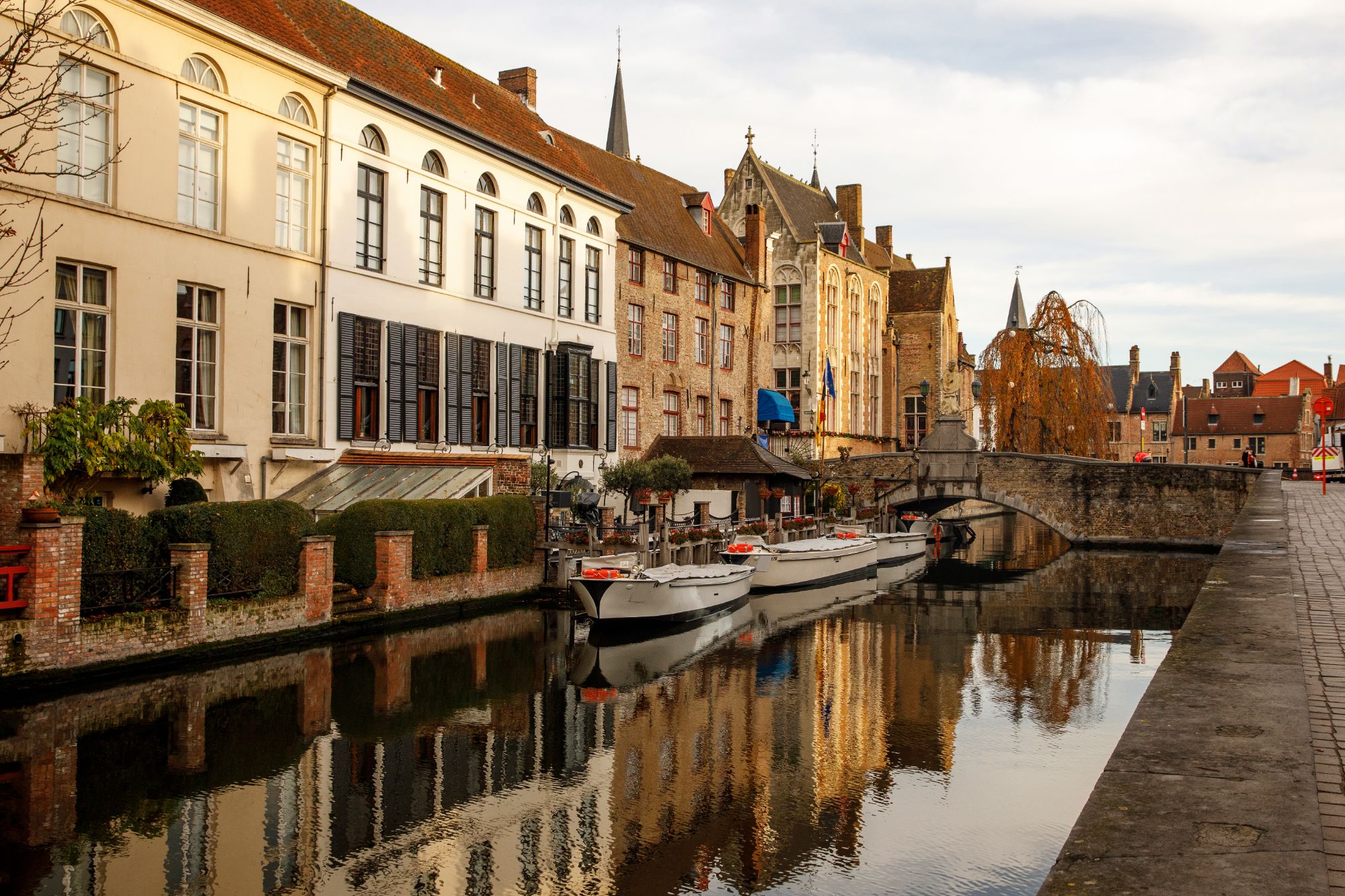
Relocating to a new country is an exciting, yet daunting, endeavor. Belgium, with its rich history, vibrant culture, and strategic location at the heart of Europe, is an increasingly popular destination for expatriates. Whether you’re moving for work, study, or a fresh start, understanding what to expect during your relocation to Belgium will help you make this transition as smooth and stress-free as possible. Here’s a comprehensive guide to prepare you for what lies ahead.
1. The Initial Transition: Arrival and Settling In
First Impressions and Cultural Adaptation
Belgium is a small but diverse country with three official languages: Dutch, French, and German. Depending on where you settle—Flanders (Dutch-speaking), Wallonia (French-speaking), or the German-speaking community—your experiences will vary. In Brussels, the capital, you’ll find a mix of languages, with many locals fluent in English as well.
Culturally, Belgians are known for their politeness and formality, especially in professional settings. Punctuality is highly valued, and social etiquette is important. Be prepared for a slower pace of life compared to larger, more bustling cities elsewhere in Europe, but also for a strong sense of community and local pride.
Registering with Local Authorities
One of the first steps upon arriving in Belgium is registering with your local municipality (commune or gemeente). This process is crucial as it officially recognizes your residency in Belgium. You’ll need to present several documents, including your passport, visa, proof of address, and in some cases, your work contract.
The registration process typically involves a visit from a local police officer to verify your address. Once registered, you will receive a residence card, which is essential for accessing many services in Belgium, from healthcare to banking.
2. Finding a Home: Housing Market Insights
Navigating the Rental Market
The housing market in Belgium is diverse, with options ranging from modern apartments in the city to traditional homes in the countryside. Cities like Brussels, Antwerp, and Ghent are popular among expats, but it’s important to be aware of regional differences in housing prices and availability.
Belgium’s rental market can be competitive, especially in major cities. It’s advisable to start your search early and be prepared to provide a rental deposit, typically equal to two to three months’ rent. Websites like Immoweb and Zimmo are useful resources, but working with a local real estate agent can also streamline the process.
Understanding Lease Agreements
In Belgium, lease agreements are typically long-term, often lasting nine years. However, shorter-term leases are available, usually at a premium. It’s important to understand the terms of your lease, including notice periods and the condition in which you must leave the property. Ensure that any agreements you sign are in a language you understand—it’s common practice for documents to be in Dutch or French.
3. Adapting to Daily Life: Practical Considerations
Banking and Finances
Opening a bank account is one of the first practical steps you’ll need to take. Most Belgian banks offer services in English, and the process is relatively straightforward. You’ll need your residence card, passport, and sometimes proof of employment. Major banks like BNP Paribas Fortis, KBC, and ING are popular choices among expats.
Belgium operates largely as a cashless society, so expect to use your bank card for most transactions. Mobile banking apps are widely used and offer convenience for managing your finances.
Healthcare System
Belgium boasts an excellent healthcare system, which is considered one of the best in Europe. As an expat, you’ll need to enroll in the Belgian social security system, which provides access to healthcare. Your employer typically handles this if you’re employed in Belgium.
You’ll also need to choose a health insurance provider (mutuelle/mutualiteit) to cover the costs not included in the public healthcare system. It’s advisable to research different providers and consider supplementary insurance for additional coverage, particularly if you have specific healthcare needs.
Language Barriers
While many Belgians speak English, especially in urban areas, learning the local language will greatly enhance your experience. Whether it’s Dutch, French, or German, speaking the local language can help you integrate into the community, navigate daily life more easily, and build stronger relationships with your neighbors and colleagues.
Language classes are widely available, with many municipalities offering subsidized courses for new arrivals. Taking the time to learn even basic phrases will go a long way in making you feel more at home.
4. Work and Professional Life: What to Expect
Work Culture and Environment
Belgium’s work culture is known for its emphasis on work-life balance. The standard workweek is 38-40 hours, and overtime is generally discouraged unless necessary. Belgian companies often prioritize efficiency and quality of work over long hours, which contributes to a high level of productivity.
Professional environments in Belgium are formal, with clear hierarchies. Titles and degrees are respected, and meetings often follow a structured agenda. However, Belgians also value consensus and collaboration, making team input an important part of decision-making processes.
Networking and Professional Integration
Networking is key to professional success in Belgium. Joining industry-specific associations, attending networking events, and participating in local business communities can help you build valuable connections. Belgians tend to separate their professional and personal lives, so it may take time to build deeper relationships with colleagues outside of work.
5. Embracing Belgian Culture and Lifestyle
Cuisine and Culinary Traditions
Belgium is a paradise for food lovers. From world-renowned chocolates and waffles to hearty stews like carbonnade flamande, the country offers a rich culinary experience. Don’t miss out on trying the famous Belgian fries, typically served with a variety of sauces.
Belgians take their meals seriously, and dining is often a leisurely, social affair. The country is also famous for its beer, with over 1,500 different types to choose from. Exploring Belgium’s beer culture is a must, whether you’re visiting a local brewery or enjoying a Trappist ale in a traditional café.
Festivals and Social Life
Belgium hosts numerous festivals throughout the year, reflecting its rich cultural heritage. From the vibrant Carnival of Binche to the world-famous Tomorrowland music festival, there’s always something happening. Participating in local events is a great way to immerse yourself in Belgian culture and meet new people.
Belgians are known for their hospitality, but social interactions can be reserved at first. Building friendships may take time, but once established, they are genuine and long-lasting.
Conclusion: A New Chapter in Belgium
Relocating to Belgium is a significant life change, but with proper preparation, it can be an incredibly rewarding experience. From navigating the initial registration process to finding your new home and adapting to the local culture, each step of your journey will bring you closer to making Belgium your new home.
Embrace the challenges and opportunities that come with relocation, and remember that settling into a new country takes time. With patience, curiosity, and a willingness to learn, you’ll soon find yourself thriving in the heart of Europe, surrounded by the rich tapestry of Belgian life.
Welcome to Belgium, where a vibrant future awaits you!